3D Farmer Illustration with Okay Finger: A Comprehensive Evaluation for Designers
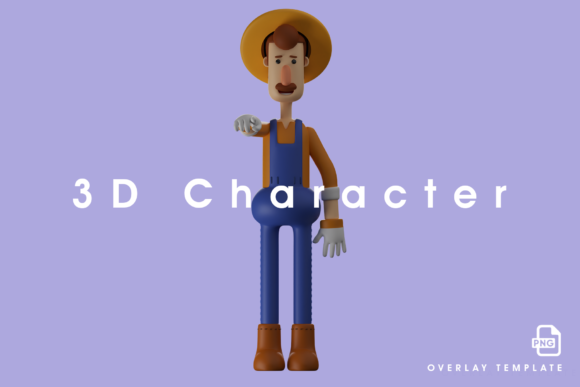
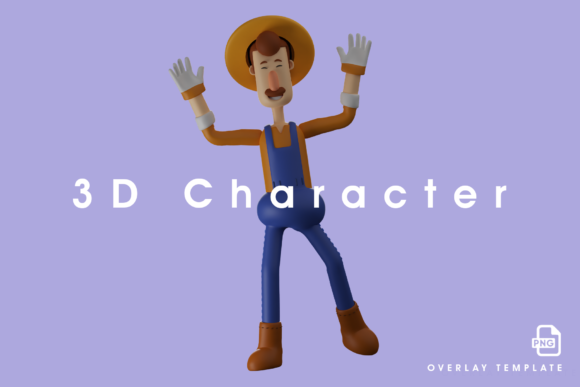
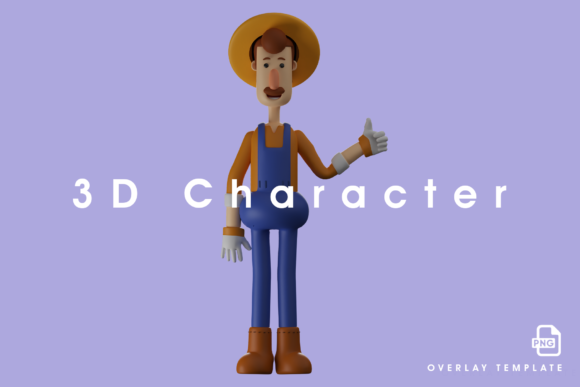
In the evolving landscape of digital asset creation, finding a character that balances professional quality with approachable charm is often a challenge. The 3D Farmer Illustration with Okay Finger has emerged as a notable resource for designers seeking high-fidelity assets that convey specific emotional cues. This particular rendering features a cartoon-style farmer wearing a traditional hat, captured in a moment where he gives an "okay" sign while looking toward the field. What distinguishes this asset from generic 3D models is not just the visual fidelity, but the specific pose and the high-resolution transparent background provided in the package.
For professionals aged 20 to 50 who are evaluating resources for commercial projects, educational materials, or social media campaigns, understanding the nuances of this illustration is crucial. It represents a shift towards more expressive, narrative-driven 3D characters rather than static, purely functional models. This article explores the distinct characteristics of this design, compares it against standard alternatives, and outlines the practical tradeoffs involved in integrating such assets into various workflows.
Defining the Asset and Its Visual Distinctiveness
The core appeal of the 3D Farmer Illustration with Okay Finger lies in its synthesis of rustic themes with modern 3D aesthetics. Unlike flat vector illustrations or low-poly game assets, this rendering utilizes advanced lighting and texturing techniques to create a sense of depth and realism within a cute cartoon framework. The character's attire—a classic farmer's hat—immediately establishes a rural context, yet the exaggerated proportions and soft shading keep the tone light and engaging.
The specific gesture of the "okay" finger is a critical differentiator. In many stock 3D libraries, farmers are depicted performing labor-intensive tasks like plowing, harvesting, or holding tools. While those poses serve a functional purpose, they lack the communicative versatility required for marketing copy or user interface elements. This specific pose transforms the character from a passive background element into an active communicator. It suggests approval, success, or confirmation without needing additional text overlays. When combined with the instruction to look "towards the field," the composition creates a natural focal point that guides the viewer's eye across the scene, making it ideal for layouts that require directional flow.
Technical Specifications and Integration Capabilities
From a technical standpoint, the availability of a transparent background PNG file at 5760×3240 px significantly expands the utility of this asset. High-resolution images are essential for large-format printing, high-DPI displays, and responsive web design where scaling up is necessary without pixelation. The inclusion of transparency allows designers to layer the farmer over complex backgrounds, gradients, or other graphical elements seamlessly. This eliminates the need for time-consuming manual masking, which is a common bottleneck in the production process when working with lower-quality assets.
However, the format also dictates certain workflow considerations. Because the asset is provided as a raster image (PNG) rather than a vector file or a fully rigged 3D model, it cannot be rotated or animated post-download. This is a fundamental distinction between this resource and a full 3D modeling project. If a designer requires the character to turn left, wave, or walk, this static PNG will not suffice. Therefore, the decision to use this asset depends heavily on whether the project requires a single, high-impact still image or a dynamic, interactive experience.
Evaluating Alternatives and Comparative Context
When searching for agricultural-themed characters, designers typically encounter three main categories of options: 2D vector illustrations, static 3D renders, and fully rigged 3D models. Understanding where the 3D Farmer Illustration with Okay Finger fits within this spectrum helps in making an informed choice.
- 2D Vector Illustrations: These offer infinite scalability and easy color manipulation. However, they often lack the volumetric depth and lighting effects that make 3D renders feel tangible. A 2D farmer might look flat against a realistic photograph, whereas the 3D version integrates better due to shared lighting physics.
- Static 3D Renders: This category includes assets similar to the one discussed. The primary tradeoff here is usually resolution and pose variety. Many static renders are exported at standard HD resolutions (1920×1080), which limits their use in print or large screens. The 5760×3240 px resolution of this specific farmer places it at the premium end of this category.
- Fully Rigged 3D Models: These provide maximum flexibility for animation and interaction. They are the superior choice for video games, VR experiences, or explainer videos. Yet, they come with a steep learning curve, require specialized software (like Blender or Maya), and often necessitate significant post-processing to achieve a "cute cartoon" aesthetic.
The 3D Farmer Illustration with Okay Finger occupies a unique middle ground. It offers the visual richness of a 3D render without the complexity of rigging or the flatness of 2D art. It is best suited for projects that demand a high-quality still image with a specific mood but do not require motion.
Strengths, Tradeoffs, and Decision Factors
Selecting any digital asset involves balancing immediate needs against long-term constraints. The strengths of this illustration are evident in its clarity, resolution, and specific communicative pose. The "okay" gesture is universally recognized, reducing the cognitive load on the audience. For a campaign promoting a successful harvest, a farming app, or an agricultural seminar, the visual shorthand of the gesture reinforces the message instantly.
However, there are tradeoffs to consider. The primary limitation is the lack of editability. Once rendered, the texture, lighting, and pose are fixed. If a client decides they prefer the farmer to wear blue overalls instead of red, or if the "okay" sign needs to change to a thumbs-up, this asset cannot accommodate those changes. In contrast, a vector file or a 3D source file would allow for these modifications. Additionally, the specific "looking for some 3D Cute Cartoon designs" aspect implies a desire for whimsy. While this asset delivers on the cute front, it may not fit a serious, documentary-style project that requires photorealism.
Another factor is the file size. A 5760×3240 px PNG with transparency can be quite large, potentially impacting page load speeds if used excessively on mobile devices. Designers must weigh the visual benefit against performance metrics, perhaps utilizing compression techniques or serving scaled-down versions for smaller screens while retaining the high-res original for print.
Ideal Use Cases and Strategic Application
This resource shines in scenarios where visual impact and quick communication are paramount. Consider a landing page for a new organic fertilizer brand. Placing the 3D Farmer Illustration with Okay Finger next to a headline about "Approved Quality" leverages the gesture to validate the claim visually. The high resolution ensures the image looks crisp on retina displays and large monitors alike.
Social media campaigns also benefit from this asset. Platforms like Instagram and LinkedIn favor high-quality imagery that stands out in feeds. The transparent background allows the farmer to be placed over colorful gradients or patterned backgrounds, creating a cohesive brand identity without clashing with existing graphics. Furthermore, the "looking towards the field" directionality can be used to guide attention toward a call-to-action button located on the right side of the layout.
Conversely, this asset is less suitable for interactive applications. If the goal is to create a mini-game where the farmer navigates a farm, this static image would be insufficient. Similarly, for a presentation requiring the ability to animate the character walking across a slide, a rigged 3D model would be the necessary alternative. The decision ultimately rests on the medium: static presentations and marketing materials favor this high-res PNG, while dynamic environments require more complex 3D sources.
Making the Final Selection
Evaluating the 3D Farmer Illustration with Okay Finger requires a clear understanding of the project's scope. It is a premium, specialized asset designed for specific visual outcomes. Its high resolution and unique pose make it a strong contender for designers who need a polished, communicative character without the overhead of 3D modeling.
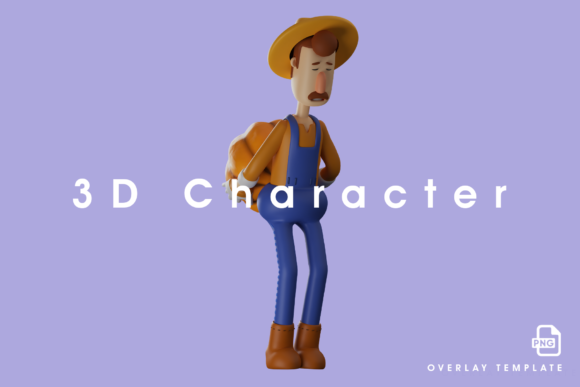
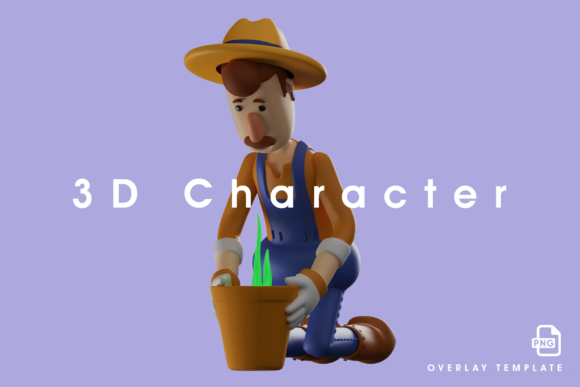
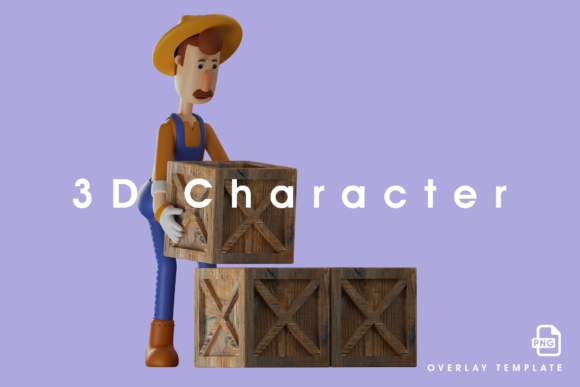
For those exploring alternatives, the key is to define the non-negotiable requirements first. Is the need for a specific gesture? Is the output medium print or digital? Does the project require animation? By answering these questions, designers can determine if this specific collection of 3D cartoon character poses aligns with their goals. If the answer points towards a high-quality, static, expressive image, then this resource offers a compelling solution that bridges the gap between artistic charm and technical precision.
Ultimately, the value of this asset lies in its ability to convey a positive message efficiently. The combination of the cute farmer aesthetic, the approving gesture, and the expansive resolution creates a versatile tool for modern digital storytelling. Whether used for educational content, commercial advertising, or creative portfolios, it provides a solid foundation for building engaging visual narratives.