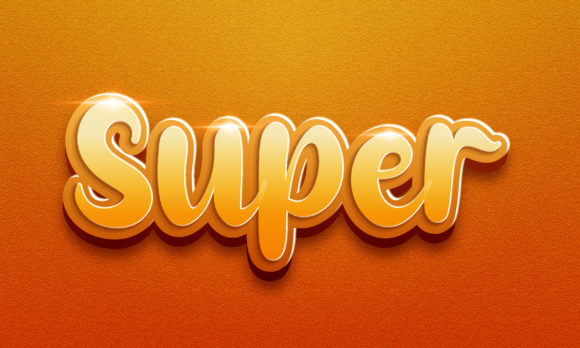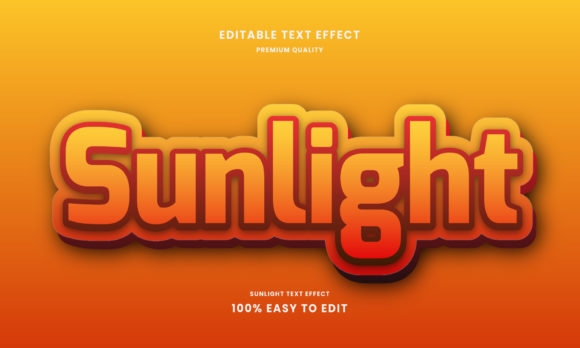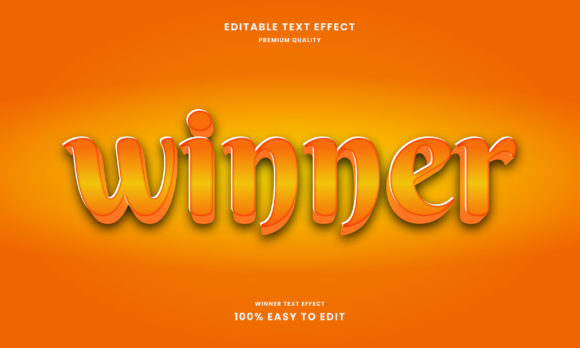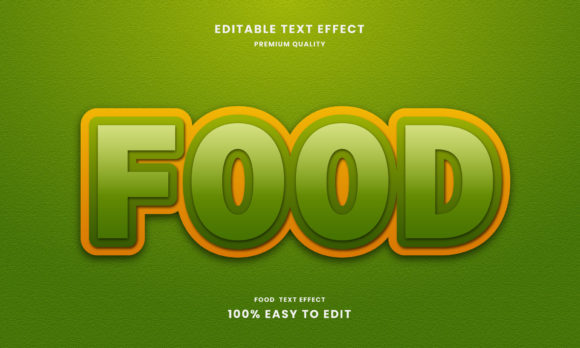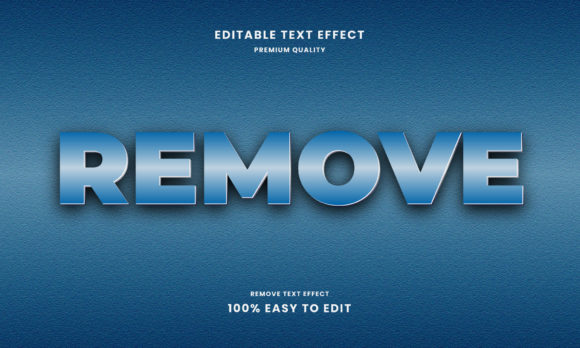
Remove 3d Text Effect: A Strategic Shift in Modern Graphic Design
In the fast-paced world of digital content creation, the ability to adapt quickly is often more valuable than raw technical skill. The demand for Remove 3d Text Effect has surged not because designers are abandoning three-dimensional aesthetics, but because they are prioritizing flexibility and precision over static outputs. For professionals ranging from marketing agencies to independent freelancers, the traditional method of rendering a final image and hoping it fits a specific layout is becoming obsolete. Instead, there is a clear market shift toward editable graphic elements that allow for last-minute adjustments without compromising quality.
This transition represents a fundamental change in how we approach visual storytelling. When you encounter a resource labeled as an editable 3D text effect, you are not just buying a file; you are acquiring a workflow solution. The modern creator needs to know that their assets can be manipulated instantly to match brand guidelines, seasonal campaigns, or emerging design trends. This is where the value lies: in the power to customize, optimize, and deliver results that feel bespoke rather than generic.
The Evolution of Editable Graphic Elements
Design workflows have evolved significantly over the past decade. In the early days of digital graphics, creating a 3D effect was a linear process. You would build the scene, apply lighting, render the image, and export it as a flattened JPEG or PNG. Once rendered, any desire to change the color, adjust the font size, or alter the perspective required starting the entire process from scratch. This rigidity created bottlenecks, especially for businesses operating on tight deadlines.
Today, the industry standard is shifting toward non-destructive editing. The concept of Remove 3d Text Effect is often misunderstood by those who think it means deleting the 3D aspect entirely. In reality, within the context of high-quality design files, it frequently refers to the capability to isolate, modify, or strip away specific layers to achieve a cleaner look or to repurpose the core 3D geometry for different applications. It is about having control over the individual components of the design.
Consider the scenario of a marketing team launching a summer campaign one week before launch. They receive a design with a bold 3D headline. If the copy changes from "Summer Sale" to "Mid-Year Clearance," a flat image renders the task impossible without hiring a new designer. However, with an optimized AI file featuring free fonts and customizable layers, the update takes minutes. This agility is what defines modern creative practices and separates professional studios from hobbyist attempts.
Why Editability Matters for Professionals
For entrepreneurs, educators, and business owners, the implications of using editable assets extend beyond mere convenience. It directly impacts the bottom line and the consistency of brand identity. When you utilize a graphic element designed with optimization in mind, you ensure that your visuals remain sharp across various platforms, from mobile screens to large-format billboards.
The specific features found in premium design files play a crucial role here. Take, for instance, a file specified in RGB color mode with dimensions of 2000x1200 pixels. This resolution is ideal for web banners, social media headers, and digital presentations. By providing a high-resolution source, the creator ensures that the image does not pixelate when scaled up. Furthermore, the use of Adobe Illustrator CC2020 version guarantees compatibility with current software ecosystems, allowing users to open, edit, and save files without encountering legacy format errors.
Moreover, the inclusion of free fonts is a strategic advantage. Many designers struggle with licensing issues when trying to replicate a style. By ensuring that the fonts used are accessible and free, the asset becomes immediately usable without legal overhead or additional costs. This democratization of design resources allows smaller teams and solo creators to produce work that looks as polished as that of large corporations.
Understanding the Technical Specifications
To truly appreciate the utility of these graphic elements, one must understand the technical backbone that supports them. The mention of "Easy to edit" is not merely a marketing buzzword; it implies a well-structured layer hierarchy. In a properly organized Adobe Illustrator (AI) file, every component of the 3D text—be it the extrusion depth, the face color, or the shadow effects—is separated into its own layer. This structure allows the user to toggle visibility, lock specific elements, or apply global color changes with a single click.
The dimension of 2000x1200 pixels offers a versatile canvas. It provides enough detail for close-up viewing while remaining lightweight enough for quick loading times on websites. This balance is critical for user experience. A slow-loading page due to heavy, unoptimized images can drive potential customers away, regardless of how beautiful the design is. Optimized files respect this balance, delivering high fidelity without sacrificing performance.
Additionally, the reliance on RGB color mode aligns perfectly with digital-first strategies. While print requires CMYK, the majority of modern communication happens on screens. RGB ensures that colors appear vibrant and true to life on monitors, tablets, and smartphones. This attention to color space demonstrates a forward-looking approach to design, acknowledging that the primary audience consumes content digitally.
Practical Applications in Modern Workflows
How do these features translate to real-world scenarios? Let's consider a blogger or content creator who produces weekly newsletters. They need consistent branding but limited time. An editable 3D text effect allows them to swap out the featured topic each week while maintaining the exact same visual style. The result is a cohesive brand presence that saves hours of manual labor.
Similarly, for educators and trainers, these assets can be adapted for online courses or presentation slides. The ability to customize the text means a teacher can update a slide deck for a new semester without needing to redesign the entire visual theme. The 2000x1200 resolution ensures that the text remains legible even when projected onto large screens in lecture halls.
Freelancers and agency owners also benefit immensely. When pitching to clients, showing a mockup that can be tweaked in real-time builds trust. Instead of presenting a static image that might not meet the client's evolving requirements, a freelancer can demonstrate the flexibility of the design. They can say, "We can change the color scheme to match your new logo," and make the change on the spot. This level of responsiveness is a key differentiator in a competitive market.
Making the Most of Your Assets
To get the most out of a file like the one described—a single AI file containing a fully editable 3D text effect—it is essential to adopt a disciplined approach to file management. Since the file includes free fonts, always check the font settings in your software before making edits to ensure the correct typefaces are active. This prevents substitution issues that can ruin the intended aesthetic.
When working with the RGB color mode, remember that color accuracy depends on your monitor calibration. If you plan to eventually print the design, you may need to convert the color profile to CMYK at the very end of your workflow. However, for all digital purposes, keeping the file in RGB will yield the best results. The 2000x1200 pixel dimension should be treated as a base; you can scale down for thumbnails or scale up for hero images, provided you maintain the vector integrity of the Illustrator file.
The emphasis on "Optimized and customized" suggests that the file has been cleaned up to remove unnecessary data points that could bloat the file size. Users should take advantage of this by saving their own versions regularly, perhaps using the "Save As" function to create variations for different projects. This practice preserves the original master file while allowing for experimentation.
The Future of Customizable Design
As technology continues to advance, the line between static and dynamic design will blur further. We are moving toward a future where assets are not just images but interactive components. The skills involved in managing an editable 3D text effect today—understanding layers, color modes, and vector manipulation—are foundational for navigating these future developments. Whether it involves integrating motion graphics or preparing assets for augmented reality experiences, the ability to deconstruct and rebuild a design is paramount.
For the curious reader and the seasoned pro alike, embracing these tools is an investment in efficiency. The market preference is clearly shifting away from rigid, pre-rendered solutions toward flexible, adaptable resources. By choosing assets that offer easy editing and high customization, you align yourself with the prevailing trends of the industry. You acknowledge that creativity is not a one-time event but an iterative process that requires the right tools to flourish.
In conclusion, the decision to use an editable 3D text effect graphic element is a strategic move that pays dividends in speed, quality, and versatility. It empowers you to respond to changing needs with confidence, ensuring that your visual communications remain relevant and impactful. Whether you are updating a website, creating a social media post, or designing a presentation, the freedom to modify your assets is the ultimate tool in your creative arsenal.